Tag: reviews

  • The Ex : The Unconscious and Dangerous Growth

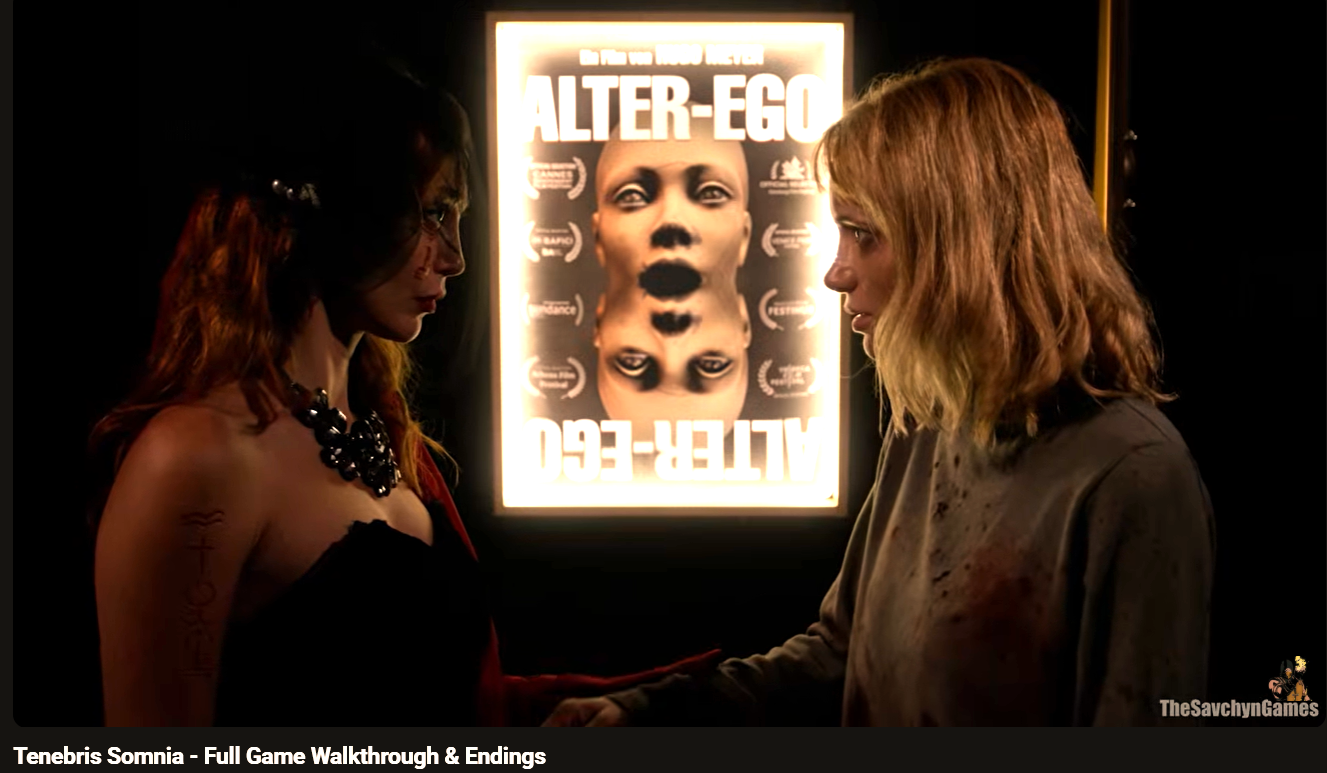
    Still from the game Tenebris Somnia created by Cancer Sun Andres Borghi, in which Julia faces for the final time her antagonist, the witchy Vitria

    I’m gradually waking up from being under the spell of two games in the last weeks, and these are the newly released Tenebris Somnia and Silver Pines. I don’t have the guts to play them myself but I watched the full gameplays on channels like TheSavchyngames and CJUGames on Youtube and I highly recommend that you give them a try. Instead of falling asleep to a movie each night, I would make a cup of cocoa and watch one hour of each game until dreams eventually overtook me. I must admit I had some fascinating dreams after each game, which then transformed into paintings (but more about this in an upcoming post).

    Tenebris Somnia (or dark dreams in Latin) is described on Steam as a “retro survival horror adventure game with live action cutscenes created by an award-winning film crew from Argentina. Unveil the depths of a disturbing story by solving puzzles and fighting horrible creatures. …What if they aren’t just nightmares?“. I don’t know why, but the atmosphere of the game is reminiscent to me of the movies “The Headless Woman” and “Santa Sangre“, two weird gems of Argentine cinema that have been haunting me ever since I saw them.

    On the other hand, Silver Pines is reminiscent more of “Twin Peaks” and “Silent Hill 2” with their heavy, brooding atmospheres and detective-like dynamics. The game was created by a team of Nordic developers and is described on Steam as “a survival horror metroidvania set in small town America. Fight nightmarish terrors and solve puzzles, while carefully managing your scarce resources as you uncover the mysteries that could hold the key to redemption.” Silver Pines has been nominated for best horror game of the year, although 2026 is a tough year for competitive horror games, seeing as we began the year with the masterpiece that is Resident Evil Requiem.

    The Pull of the Unconscious
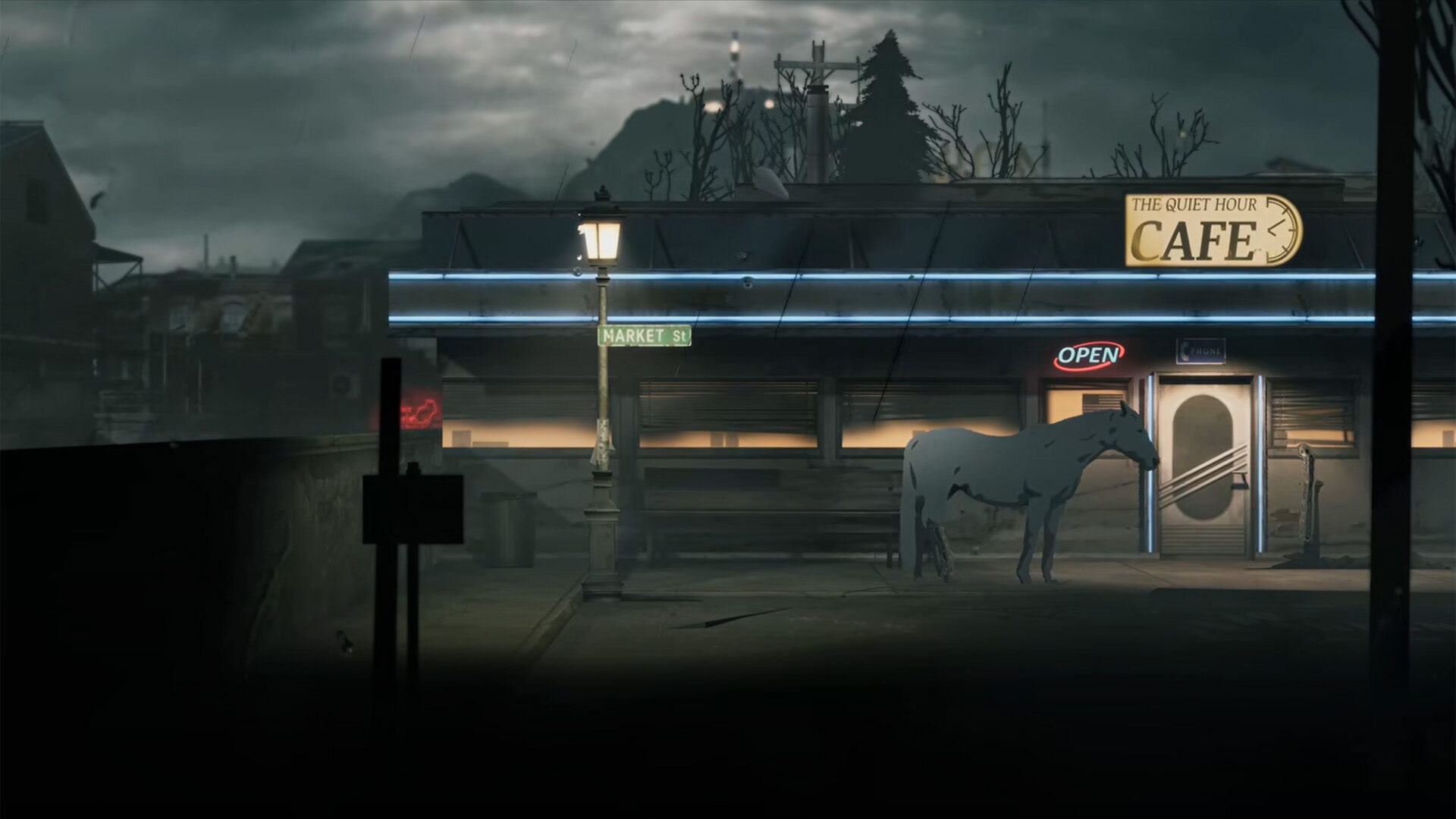
    Still from Silver Pines depicting the town’s Quiet Hour Cafe right before the storm and the wandering, emblectic white horse, as a symbol of death’s acceptance

    Both games have multiple endings and *spoiler alert* these are the aspects that I would like to unpack in this post which isn’t only about my sheer love for thoughtful horrors games but also about the psychological underpinnings of the protagonists’ stories, as they are revealted in their endings. And the endings revolve around an ex in one case and the past and the consequences of a man’s actions in another. These two themes are brought into foreground by the current and overlapping Mercury retrograde in Scorpio and Venus retrograde in Libra, helping collective energies to scavage through their romantic past.

    In Tenebris Somnia, Julia is persecuted by nightmares about her ex-boyfriend Ivan, and after failing to reach him she decides to use the apartment key she still was holding on to, in order to check up on him and see if he is alright. There are a number of red flags already at hand and I guess you can tell that one of the endings will involve Julia just looking at the key and deciding not to use it and not to check on her ex (which is exactly what I would’ve done, to be completely honest). I keep saying this to my clients that “an ex is an ex for a very good reason” but what would be the fun in listening to reason in a horror game, right?

    At the beginning of Tenebris Somnia, we are thrown into this kind of funny and slapstick, retro vintage gaming world, until the first real-action cut scene introduces us to a zombie-like creature who lunges at Julia with a forked tongue, and we are snapped into the brutal reality of the story. Julia seems eerily entranced throughout the game. She needs to find Ivan and find out what happened to him but she doesn’t know why she is doing this.

    In a similar vein, the detective of Silver Pines, Red Walker, has been hired by a mysterious man to find a musician named Eddie Velvet and as we later find out, is tasked with murdering him. Red is desperately searching for Velvet through the horrors of an abandoned town, soon to be besieged by a storm, without understanding exactly why he feels the compulsion to find this man. Both Red and Julia are gripped by their unconscious which pulls them to confront their fears, presented in each game as terrifying and creative-looking monsters.

    In the later parts of the game it becomes increasingly evident that Eddie and Red are the same man (watch as they share a fear of dogs, for example) and that Silver Pines is a projection of Red’s fractured psyche in the wake of an accident he had suffered which led to the death of his girlfriend. Red’s mysterious employer is the voice of his Ego, who drenched in self-hatred wants to keep him repressed and split off from finding the truth and awknowledging his guilt, at having caused the death of an innocent woman.

    In my view both of these fascinating characters, Julia and Red are symbols of the human Ego struggling to understand the unconscious. Often in our lives, we feel compelled or obsessed with certain activities or certain people without fully comprehending why. These are usually pivotal moments when important content from the unconscious wants to make itself known to our conscious mind in order for deep healing, somatic release and psychological growth to take place.

    Although, it needs to be said that such a quest, when undertaken with a view to fight and destroy the unconscious rather than to seek to understand it, will lead to the actual death or gradual psychic destruction of the person involved.

    And we see this theme of being overcome by nigredo (the darkening) or a retreat into psychological repression and fear, in both Julia’ s case in her Magnum Opus ending (where she kills the Relicta and fights Ivan only to obliterate her Shadow at his command), but also in the ending in which Red Walker finds Eddie Velvet and shoots him in the back, thereby completing his mission and never fully understanding the story he had been immersed in. Killing in both of these games carries the symbolic meaning of splitting apart, because after all, the greatest suffering happens in life when we separate parts of ourself and deny our whole being a right to exist freely. Splitting also happens when trauma occurs, which I will unpack below.
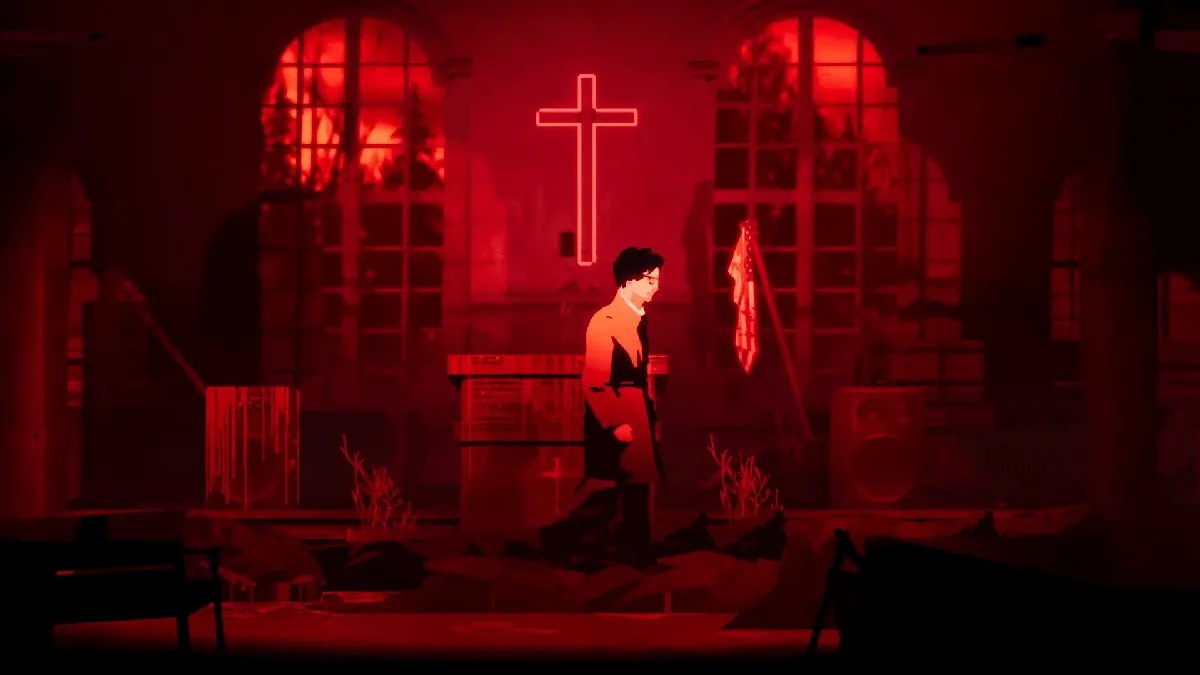
    Still of Red Walker in the town’s church right after a boss battle

    In these so-called ‘bad’ endings, Julia becomes afraid of the world and suspicious of every man as she retreats from her true Self and into the arms of her controlling and abusing ex-boyfriend, while Red continues to drive on endlessly into a night so dark that not even the moon can illuminate it. Both characters are doomed to remain in perpetual darkness, as nigredo extends indefinitely and cannot ascend to the clarity of the albedo stage or the warmth of the citrinitas/rubedo fulfillment, to use the alchemical words Jung has employed to describe the psychic development towards individuation.

    Haunting dreams seek our Attention

    Tenebris Somnia felt deeper and more meaningful as a story-line to me, because it dealt with domestic violence and I grew up with a controlling person who benefited from keeping me trapped and anxious. Therefore, I have intimate knowledge of how Julia must have felt in her relationship to Ivan, and empathized with her throughout the game. It was also fascinating to see that the so called ‘good ending of the game’ was titled ‘solve et coagula‘ (dissolve and coagulate), terms used by Carl Jung in his work on psychology and alchemy.

    In Tenebris Somnia, Julia’s journey can be seen as the process of solve et coagula which maps onto a woman’s quest for individuation through psychological transformation. In the bad ending (Magnum Opus), Julia slaughters her Relicta fragments with the Aurifer, a golden knife she creates through magic. Psychologically, killing is an act of violent psychic repression—she kills off parts of herself to survive, returning to reality permanently marked by her trauma (ex. the scar on her forehead remains but only in her mirrored reflection). In this version of her chosen reality, she remains bound to the archetype of her abuser, perpetuating the trauma cycle rather than escaping it.
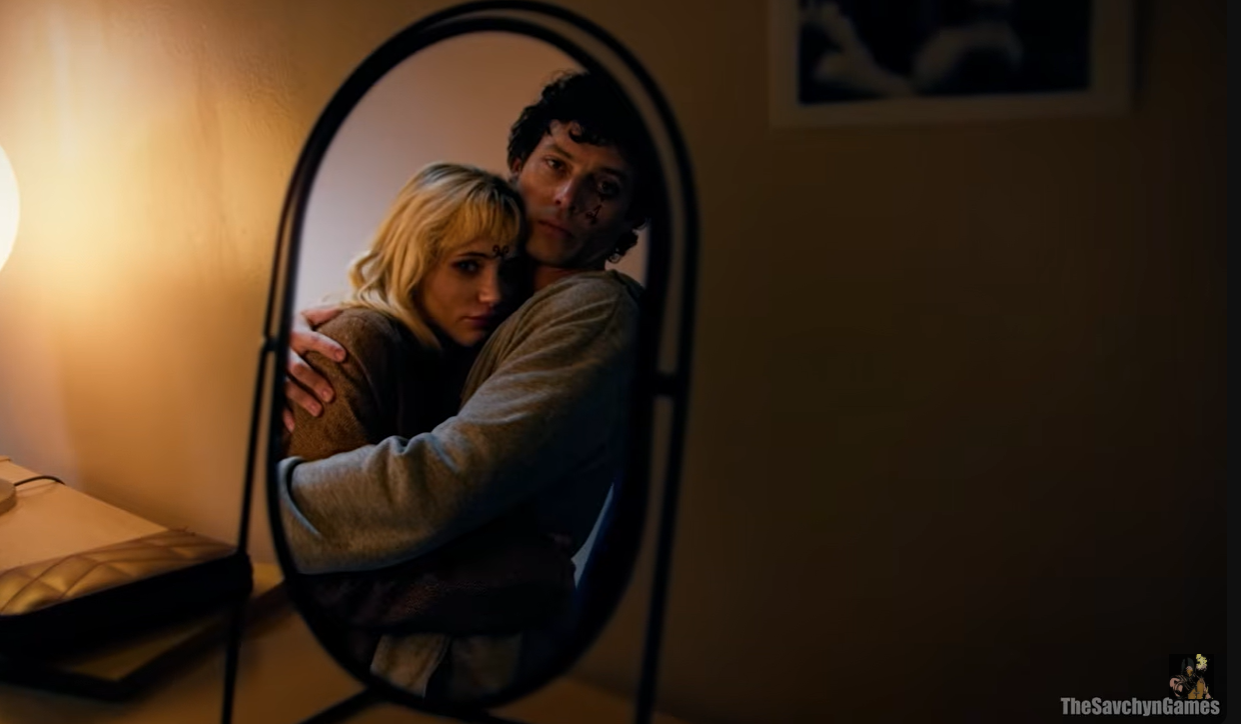
    Still of Julia and Ivan from the Magnum Opus ending of Tenebris Somnia

    On the other hand, by choosing the Solve et Coagula ending, she allows the old, victimized Ego structure to dissolve completely (solve). By refusing to attack her Shadow, she stops treating her internal trauma as an external enemy (she pulls her projection back). The final merging with the collapsing nightmare (coagula) is a raw, terrifying depiction of assimilating her Shadow. She doesn’t escape her history, rather she internalizes it to become whole, and I especially liked how tender she was with her Shadow when she met herself in the final boss battle, a sign that she has learned to be compassionate with the hurtful things she has chosen for herself in the past.

    In the epilogue, Julia channels a newfound raw and integrated psychic energy into her creative life as a filmmaker. She films a short-movie and debuts it at a premiere. Her film-making style is clearly different than that of her ex, Ivan, whose somber film-making contributed to her nightmarish psychic journey. In contrast, Julia’s work is funny, colourful and humane, and we see this through the way that the audience reacts to her film. I have to admit this final scene brought happy tears to my eyes, because I was so proud of her!

    In the Magnum opus ending, I was struck by how violent the relicta of Ivan was when she confronts him in the end and we see the true rage monster that was hiding inside the man she loved. The violence of Ivan’s relicta is a profound clinical depiction of what Jung called an autonomous complex bursting into consciousness with primal fury. Because Julia had suppressed the reality of Ivan’s abuse, that psychic energy didn’t vanish—it weaponized itself in her unconscious. When it finally manifested, it unleashed raw, unmitigated rage which she then problematically, turned against her Shadow rather than towards escaping Ivan and letting him go.

    We know by now that there are two halves of Julia’s reality, influenced by her decisions throughout the game, something that is aptly mirrored by the game’s shift between pixel art and live-action video. In the standard loop or the Magnum Opus ending, Julia’s psychic defenses are working against her: terrified of the outside world, her ego projects the internal threat (the danger of being harmed or controlled) onto innocent men in the public (like that guy in the subway).

    Because the trauma of Ivan’s abuse is unresolved, her psyche perceives the entire world as hostile. Paralyzed by this projected fear, she runs back to Ivan’s apartment. In trauma bonds, the abuser becomes the “safe harbor” from the very terror they created. Psychologically, Julia trades the unpredictable threat of the unknown world, for the predictable, familiar torment of her abuser. It is a regressive retreat to the root of her complex.

    In the empowered conclusion or the Solve et Coagula ending, her psychological orientation undergoes a deep change. The difference in her behavior is a textbook example of an integrated Shadow. True bravery in Jungian terms is not the elimination of fear, nor is it turning into the aggressor. In the bad ending, she attacks her fragments, becoming the abuser in order to survive.

    In the good ending, her refusal to harm her captors (symbolising aspects of her Self) shows that she has broken the cycle of victimization. She no longer needs to use violent defense mechanisms. By facing the monsters without attacking them, she looks at her trauma directly. And in turn, this robs the autonomous complexes of their stealth power over her psyche.

    Complexes or fears lose their terrifying grip on her because they are no longer hidden in the dark—they are acknowledged components of her history. By the end, she isn’t running back to the ruined apartment. She can exist in the live-action, objective world because she is no longer projecting her inner monsters onto random people around her. The outside world ceases to be a house of horrors the moment she cleanses her inner house.
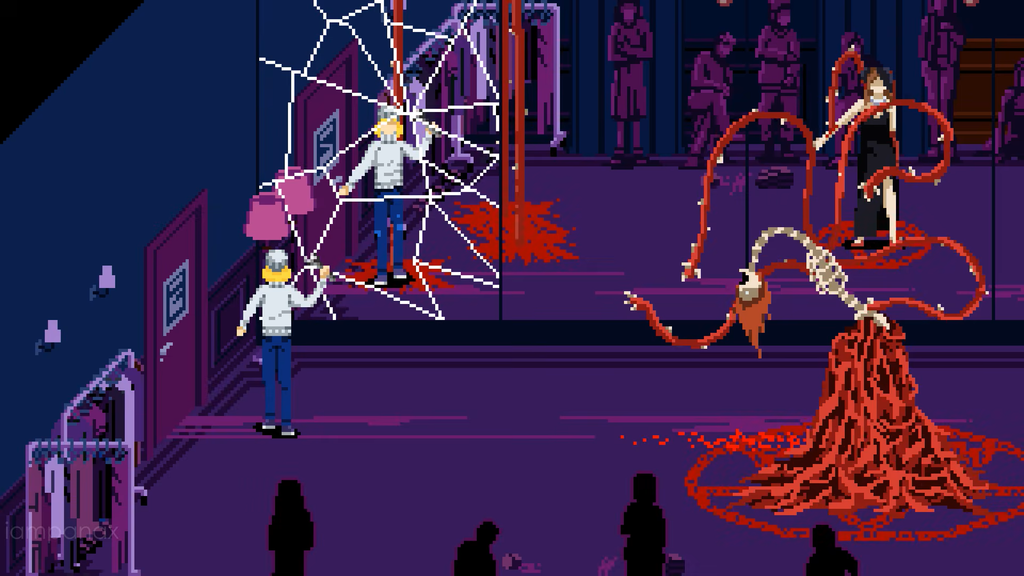
    Still of retro Julia battling Vitria through a mirror, a symbol of how she is desperately trying to integrate aspects of her Shadow but faces immense resistance from her Ego

    I liked how vulnerable she was being depicted during the premiere of her short film. We could see and feel her anxiety and her compulsion to project this anxiety on the public, like she would’ve done in the past, when her anxieties held her back and pushed her into a connection with a dominant and controlling man (Ivan). But she took a deep breath and held the tension and then suddenly the situation changed. The crowd started laughing because of the funny actor in her short film. All her worries of being perceived in a negative way or criticised by others were dispelled when her creative work touched the public.

    There was an immediate collective release of tension which was mirroring her own personal breakthrough: instead of falling into a past pattern, Julia stood her ground just by breathing, she held her anxiety and was brave enough to show up at her premiere and just see what happen. It shows that in time, through such repeated experiences, she will become a very strong woman, capable of controlling her own life (like a director) instead of projecting her control onto a domineering lover who may abuse her. This was the exact moment of Jung’s transcendent function manifesting in waking life, rather than just in her dreams or the pixelated unconscious of the game.

    What Julia is experiencing during the premiere of her short film is the shift from an unconscious compulsion to repeat the trauma loop to the conscious endurance of the “crucible.” Sometimes, to truly heal we need to hold and stay strong among uncomfortable feelings. In Jungian analysis, growth rarely looks like the permanent erasure of anxiety, rather it is a change in our relationship to that anxiety. We don’t get rid of our feelings, we transform them.

    In alchemy, this is maintaining the heat of a vessel without letting it crack. She allows the anxiety to exist within her body without reacting to it or offloading it onto others.Because Julia holds her internal tension, she creates the psychological space for reality to surprise her. By enduring these moments, Julia transitions from a passive actor trapped in Ivan’s abusive, black-and-white film to the author and director of her own and colourful psychic reality. This is a process that takes time and repetition. Each time she stands her ground in the face of her anxiety without retreating into the arms of a controller, she strengthens the new Ego she is carefully building for herself. She transforms her vulnerability from a liability into the very wellspring of her creative sovereignty.
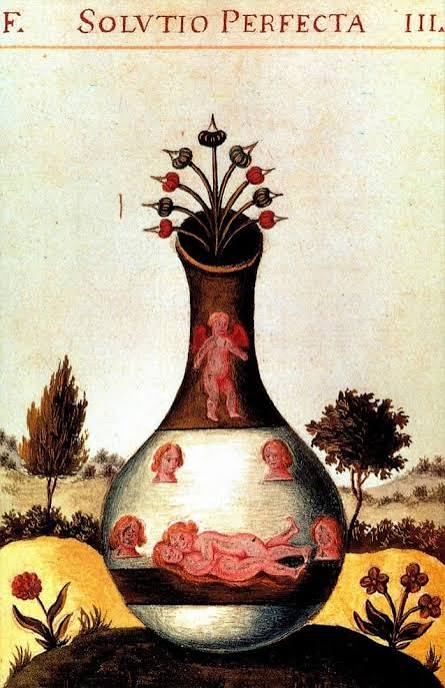
    Image depicting the alchemical vessel of containment, which can hold opposing forces (such as masculinity and femininity) with the purpose of transforming the soul

    Learning from THESE GAMES For Future ThErapeutic Work

    As a training analyst, I kept wondering what would I do in such a case, if a patient like Red Walker or Julia walks into my office? I was especially stuck at that scene of Julia’s premiere and marvelled at her subtle growth. I guess that when I would observe patients reaching this “premiere” stage in their own lives—where they face the terrifying choice between an old, toxic coping mechanism and a brave new path—I would think about what kind of clinical containment or support I could enact to help them hold that tension without collapsing back into the past.

    Since a patient has reached this advanced stage in their therapy, I don’t believe a maternal-like containment is necessary as this would be more appropriate for someone who is still possessed by a complex, but Julia emerged outside of it and may now need just some gentle nudging in the direction of courageous decisions. So I would offer her validating compliments based on her decisions to show up and hold the anxiety and I would continue to re-affirm the necessity of maintaing a strong connection to reality and to understand that she doesn’t have to be perfect, she just needs to be present and continue with the good work she is already doing.

    In my view, I would shift from the maternal, containing matrix (necessary for holding a fractured Ego together) to the paternal/transformative function of encouraging the ego to step out into the world with agency. After all, over-containing a patient at Julia’s stage can accidentally infantilize them or mirror the very dependency they are trying to escape. By offering validating compliments and focusing on presence over perfection,I can act as a steady witness to her emergent strength rather than a protector she must lean on.

    With universal love,

    Lexi

  • Morticia Addams is a State of Mind

    Cancer Sun Anjelica Huston as Morticia Addams in The Addams Family Values (1993)

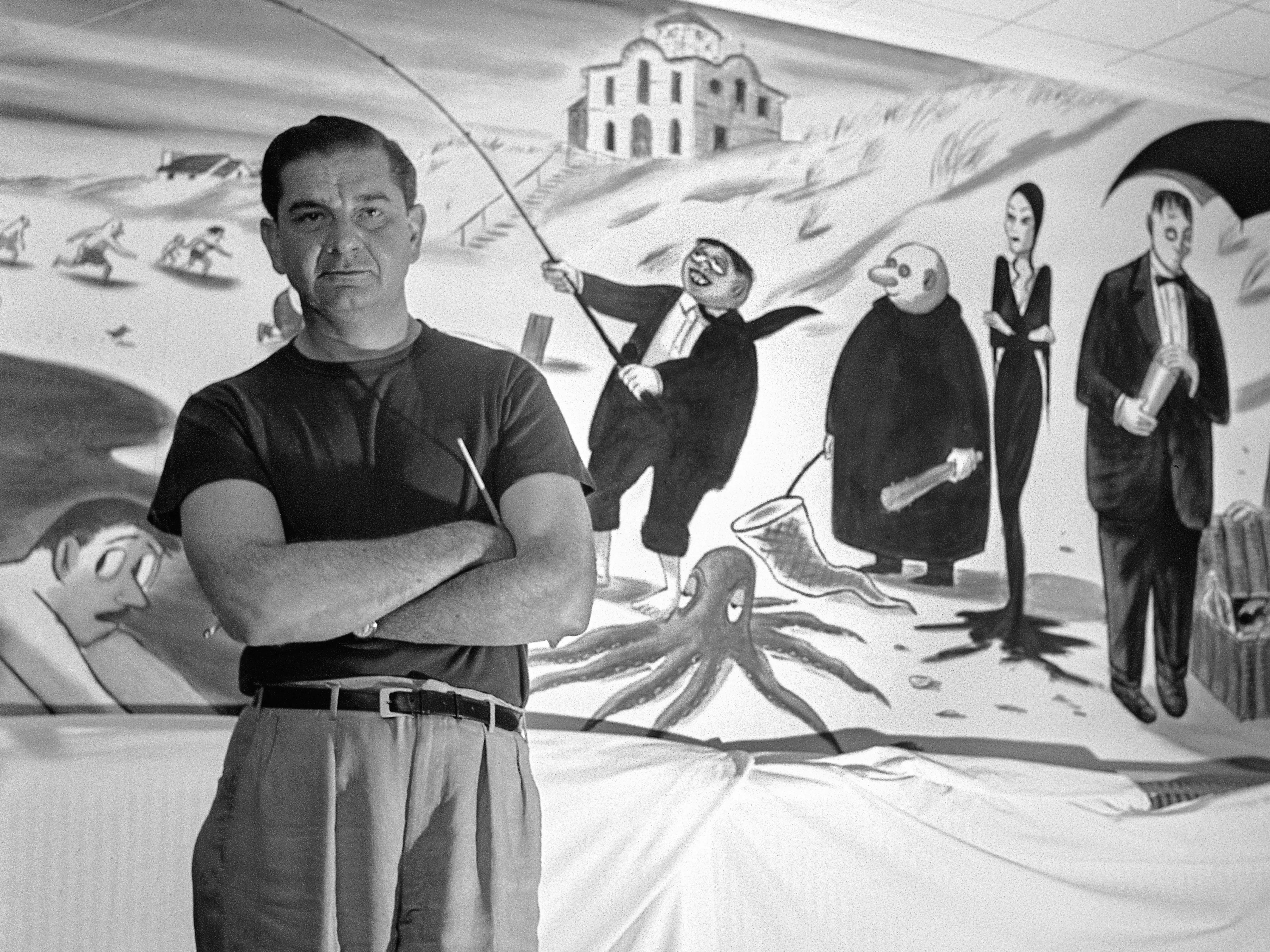
    It took a Capricorn imaginarium to give birth to her, through the creative vision of January-born, Charles Addams. With all three luminary and key points in Earth signs (Capricorn Sun in the 9th house, Moon in Virgo in the 5th and Ascendant in Taurus conjunct Saturn!) Charles Addams possessed immense grounding, discipline, and patient craftsmanship. And in many ways, just like her creator, Morticia is highly Saturnian herself.

    Vintage photo of Charles Addams from the New Yorker: https://www.newyorker.com/magazine/2018/07/09/the-addams-family-secret

    From her jet black hair, her slim figure, her undying devotion to her family, to her demure expressions of contained tension and her equally dark humor, Morticia embodies a precise and polished soft strength, typical of a Saturn-ruled individual. It’s only her tentacled dress that alludes to the fact that her nature may be darkly instinctual, behind closed doors.

    I want to focus on her image, style and essence in this post, because Halloween is approaching fast and I need a distraction from the many real horrors taking place in the world at the moment, which make the spooky gloom of this time of the year pale in comparison.

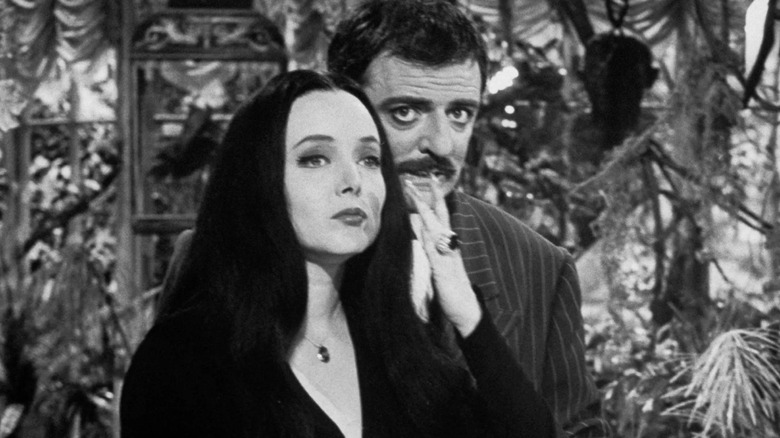
    Charles never gave us a birthday for Morticia, so I can just assume her sign, but seeing as creations are as much influenced by the astrological energy of their creator, it wouldn’t be weird to assume each Addams family character depicts an aspect of the visual artist’s natal chart. Case in point, Charles Addams also had a Mars in Gemini sitting in opposition to his Venus in Sagittarius loosely conjunct Jupiter, an energy I see embodied in Gomez Addams, the witty hypocondriac who is obsessed with his wife, easy on his children, great with money and always up for a fencing adventure.

    Image of Carolyn Jones as Morticia Addams and John Astin as Gomez Addams taken from https://www.tvline.com/2243765/the-addams-family-morticia-carolyn-jones-star-soap-opera-capitol/

    What delights me the most about Morticia, is the fascination that she displays for things and circumstances usually considered taboo or dangerous for women, and in many ways she is not only the prototype of the Dark Feminine Archetype but also a bit of a rebel. For example, she is often depicted as standing near her lion called Pet or feeding her carnivorous Venus fly trap, Cleopatra Green of the Nile, alongside other irritants such as hemlock, henbane, and poison ivy. This image of a woman capable of taming the wild, natural forces of destruction with the same calm and poise of a mother suckling her newborn child, is both wholesome and disturbing.

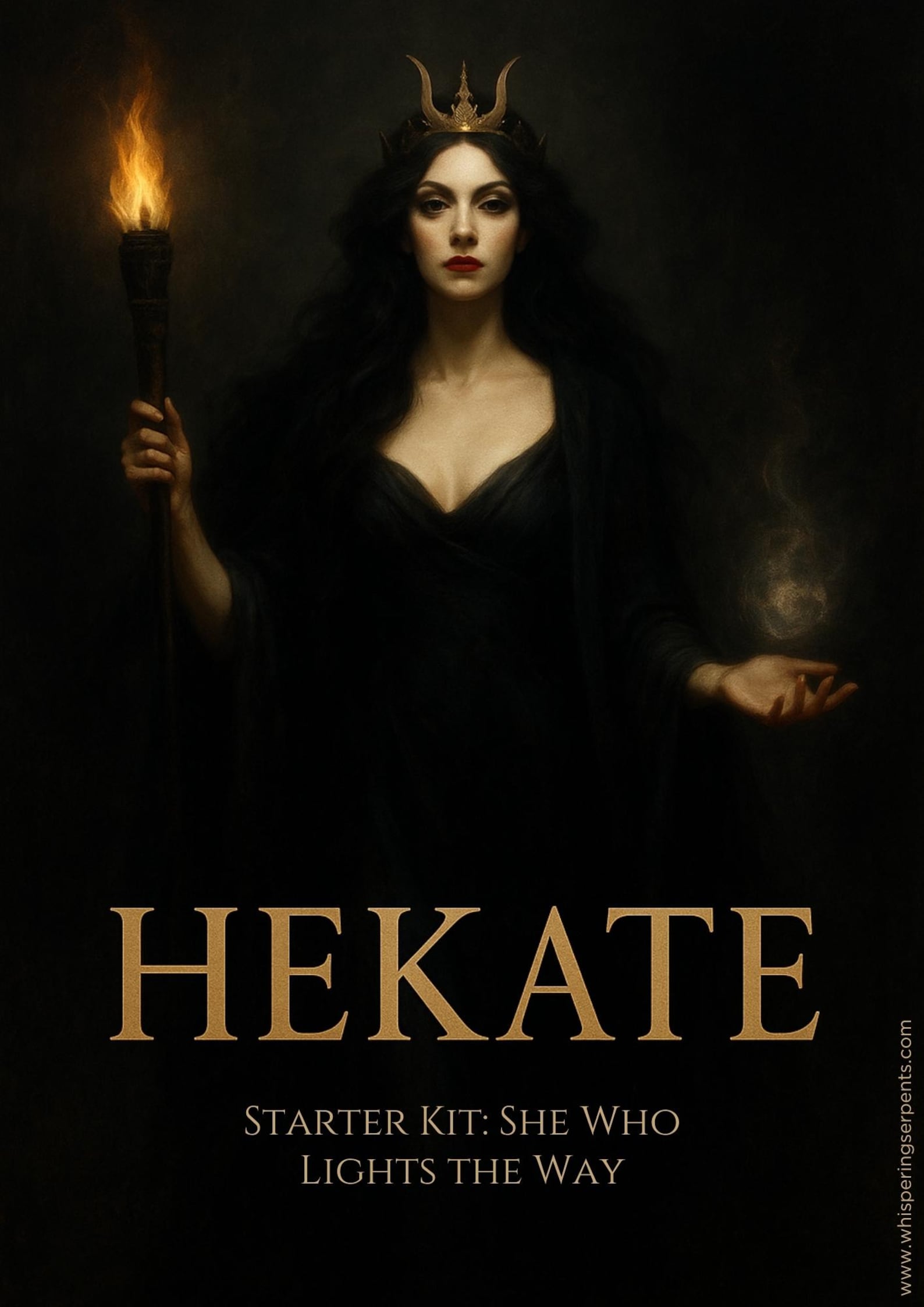
    In myth, Hecate the dark goddess of magic is the ultimate herbologist and mistress of potions (pharmakeia), and I think that the image of this Greek goddess aligns almost perfectly with Morticia’s dark, gothic elegance and maternal authority over the strange. Although, I must admit I see a little of the Morrigan in her too, particularly in the Celtic Goddess’ fondness for ravens and psychological warfare, which Morticia puts to good use in everyday encounters in very clever and subtle ways.

    Image taken from Etsy: https://www.etsy.com/listing/4338911032/hekate-goddess-guide-pagan-witchcraft

    Moreover, there are also many innuendos in the dialogues between her and Gomez, which indicate that a regime of physical punishments could be part of their shared sexual intimacy, which adds some edge and spice to her elegant and intimidating presence. The magic of it all is that it is done in such subtle ways that constantly leaves room for the imagination. We see that Gomez and Morticia are passionate and obsessed with each other but we never truly get to grasp what goes on when the lights are off, and seeing as they are in touch with their darker instincts, I guess the sky is the limit…or better said, the Underworld.

    I like that as a viewer, you are never dramatically hit on the head with how dark and edgy Morticia is, much like the recent goth girl trend popularized on Tiktok and catering to cheap sexual fantasies. No, with Morticia, there is an air of elegance thinly spun around her Persona which offer her a mysterious elusiveness, like a cellar spider making its nest nearby while you scroll on your laptop, completely unaware of this development in the corner of your room.

    Morticia never bends to social norms, expectations, or trend cycles. She is completely comfortable in her own skin and thrives in her unique environment without ever feeling the need to explain or justify herself to “normal” society. No matter how chaotic the world around her gets, Morticia remains serene, elegant, and collected. Chaos, hostility, or bizarre events do not break her inner peace—she simply glides through them with an enigmatic smile.

    One of my favourite episodes from the vintage series which ran on American television sets between 1964 to 1966 (fun fact: that was a Saturn in Pisces couple of years!) is the episode when Gomez and Morticia first meet, because it tells us so much about their personalities, before they became that unbreakable couple we all know and envy.

    Morticia Addams is far more than just a gothic style icon—she is a masterclass in psychological groundedness, radical self-acceptance, and unshakeable grace. Viewing Morticia as a mindset means adopting a lifestyle defined by composure, passion, and complete indifference to external judgment.

    Furthermore, Morticia’s relationships are anchored in devotion, mutual respect, and fierce loyalty. Where others see gloom, decay, or fear, Morticia sees romance, elegance, and beauty (like clipping the petals off roses to leave only the beautiful thorns). She doesn’t fear the dark or the taboo; she incorporates it gracefully into her life. Morticia never raises her voice, demands attention, or tries hard to impress. Her presence alone commands the room through stillness, slow movement, and calm confidence.

    And because imitation is the greatest form of flattery, I had some fun with Gemini and a relatively recent photo of myself , as I asked the AI to transform me into her. The outcome is kind of awesome, to the point that I am considering changing my daily make-up to look more like her. I basically adore the fact that my natural features (pale skin, long nose, arched eyebrows) fit so well with the striking visuals of all the women that embodied her so far, and believe me it took me years to accept and love my natural features.

    I think my favourite Morticia has to be Angelica Huston, not only because I look like her the most, but also for the flawless performance she gives in bringing our macabre darling to life: from the soft tone of her voice, to the passionate chemistry she displays with Pisces Sun Raul Julia, to the perfect delivery of sarcastic lines (I think that nothing tops “But, Debbie…pastels“).

    Personal photo enhanced with Gemini AI

    Who is your favourite Halloween icon? And let me know as well if you celebrate Halloween this year and what costume will you be wearing.

    With spooky and ooky love,

    Lexi

    P.S: Part of this post was written with the support of AI

  • Escapism

    As the year draws to a close, I want to reflect on some of the most memorable and emotional gaming experiences I had in the last 12 months. 2024 has been a year in which I was gradually introduced to a variety of new games, after Stardew Valley took me ‘hostage’ since I started playing it in 2021. The gaming platform and provider, Steam played a major role in this change in my gaming, since it began to notify me of new games and offer a variety of impressive discounts. So, I gradually started looking into these new adventures and I was surprised at the range of emotions I experienced while playing them. Some of these games touched me on such a deep level that I felt transformed after I played them, and I wanted to share my impressions, in case I may inspire you to give them a try.

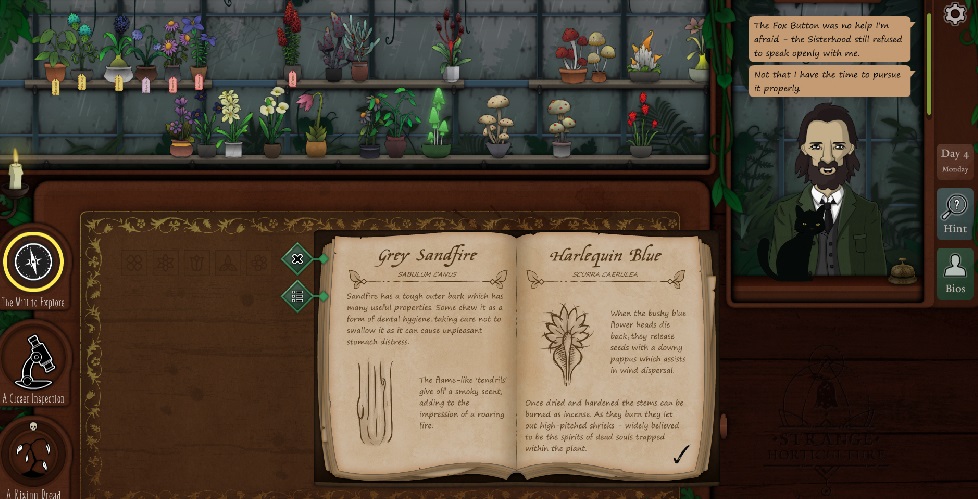
    1) Strange Horticulture (2022), Bad Viking

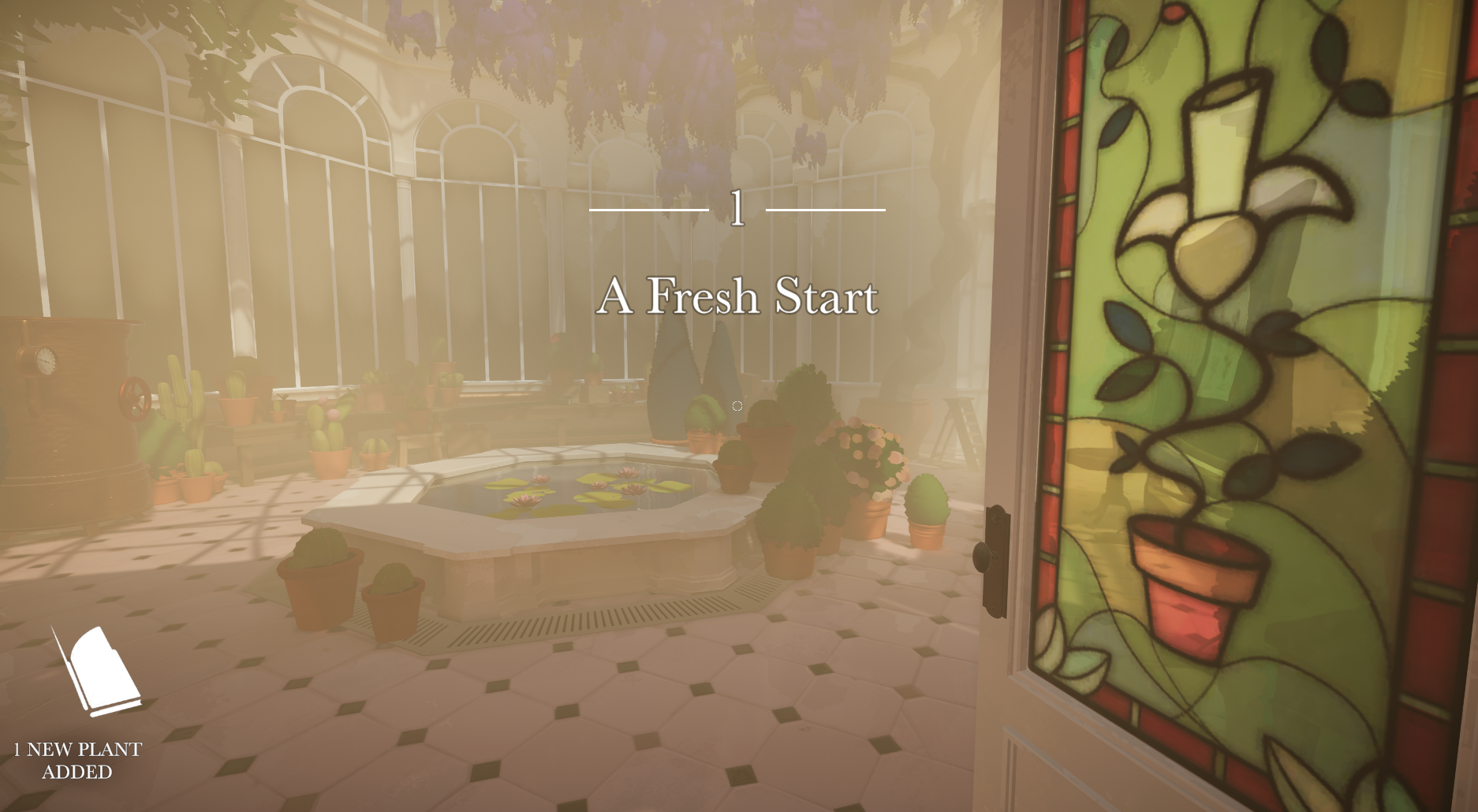
    A game with probably one of the most haunting atmospheres you could envision, Strange Horticulture is about a mysterious shopkeeper who is trying to keep her mind intact. She is putting clues together and identifying new plants, cataloguing and dealing with the townsfolk odd requests, while also trying to keep a rising depression at bay. As the shopkeeper, you also get to travel to collect plants and gather information. The plants are poetically named and the collection is large. The pervasive sense of dread that looms over the entire game matched by the constant rain, smoked oaky graphics and flowing controls make it such an engrossing play! It’s like nothing I’ve ever played before; kind of like a weird blend of Murder, She Wrote meets Plants versus Zombies meets the constant gloomy weather of Blade Runner and the heavy sadness engulfing Dark Water. The only downside of this game is that it ends too soon, as I think I finished it in roughly 4 hours. The highlight is that it has a number of alternative endings so you can play over and over again and meet a different conclusion. The same creators are now preparing a new game called Strange Antiquities, and if it’s half as good as this one, then I’m already excited about it. If you don’t enjoy daylight and like plants (which may sound like an oxymoron), give this sullen gem a try.

    2) Sally Face (2016), Portable Moose

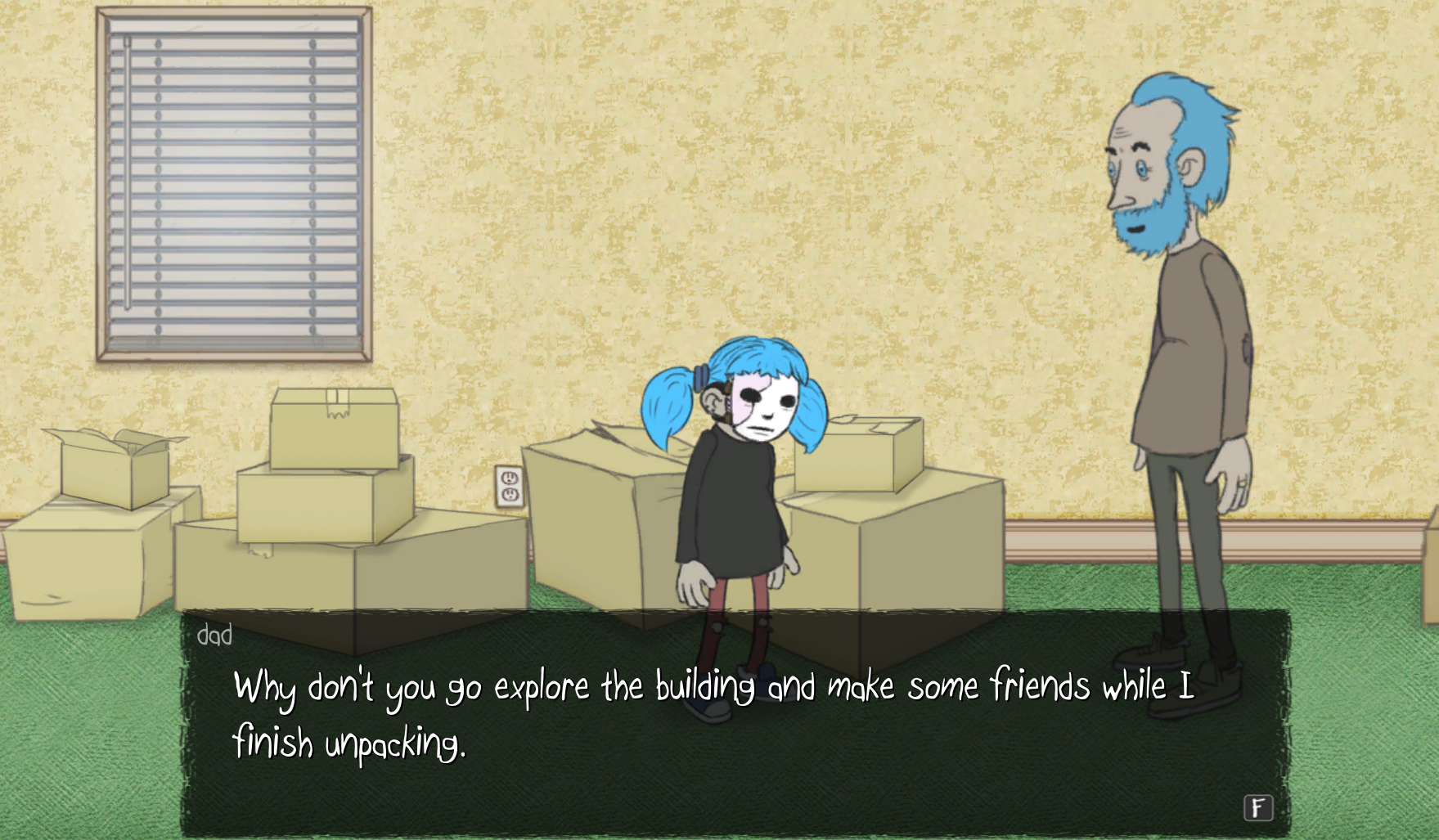
    If Strange Horticulture grazed the surface of a potential depressive episode taking over our main character, in Sally Face issues related to murder, disfigurement, soul snatching, suicide and involvement with a satanic cult are tackle in such a direct way that it packs a powerful emotional punch. The difficult themes and gore present in the game are somewhat softened by the caricature-like drawings of the main characters and difficulty of some of the puzzles involved. Needless to say, the game begins with a night-marish situation and continues very much so for the entirety of 5 episodes. Just as a heads up: it gets worse for the main characters rather than easier for them, as they find themselves involved in a plot that is bigger than the building in which you are initially conducting your personal investigation. Time passes, characters grow but so too does the darkness and it is this passing of time and watching how they developed from deep childhood trauma, that makes the game so emotional as well as the fate of its main character and the way he manages to somehow be forever connected to the girls of his dreams (it’s not what you’d expect!).

    To be honest, Sally Face had me crying towards the end, after I compulsively played through all the episodes in just two days because I really wanted to know what was going on with Sal and his group of friends. Again, it’s not a game I would recommend to everyone as it will only please a select few, but if you have any Scorpio/Capricorn/Pisces energy in your chart and you grew up in the post-communist 90s environment listening to Nirvana’s ‘Smells like Teen Spirit’ on repeat, then you are going to love this game. And on a final note, I would say that escaping into a game in which you need to keep your character alive and to care for their depression, well this temporarily takes your mind off your own; and it’s a liberating feeling.

    3) Paradise Killer (2020), Kaizen Game Works

    At the polar opposite to Sally Face is Paradise Killer, which in my humble opinion is the best game I played in 2024! You play as the exiled investigator Lady Love Dies, a heart-adorned goddess of the law who is called back from her exiled state after serving 3M days because there was a problem in the creation of the latest version of Paradise Island, that problem being that the entire ruling council was murdered by a common citizen, one Henry Division. Until the crimes are solved, no one can escape this version of the island in order to be updated/uploaded into the new one, a more perfect version of Paradise, also known as sequence 25. What follows is sheer beauty as you get to explore paradise, collect clues and blood crystals, order funny drinks from vending machines and chat with some criminally over-developed characters.. all while enjoying some vapour-wave, synth music in the background and preparing your incriminatory case for the Judge. It’s colourful, smooth, esoteric, funny, brash and pleasant, it’s the perfect game to play during a summer holiday. And despite being a walk’n’talk adventure it never gets boring, as you always feel like there is more to discover in the kitschy-cool environment or more conversations to be had with the usual suspects. Plus Shinji is the best antidote to any creeping sadness or melancholy you may be feeling. Please, do yourself a favour and play it over the upcoming holidays.

    4) Botany Manor (2024), Whitethorn Games

    This game is the lighter, brighter and breezier alternative to Strange Horticulture. You play as botanist Arabella Green who is writing a book on the special and peculiar behaviours of rare plants. In the process you get to explore an English countryside manor, gather clues and cultivate magical flora until you grow specific plants. Even if you may feel green with envy at the gorgeous environment of Ms Green’s homestead, at least you get to practice your green thumb (ok, I’ll stop now) and escape your immediate reality in this beautifully sunlight game replete with inventive puzzles (my favourite was making the apple cider to water the seeds of the Pixie Tears pot). The graphics and game mechanics take a little bit of adjusting to, but the game leads to such a subtly heart-breaking and yet oddly empowering conclusion that you may just miss it if you don’t pay attention. Like an unfolding rose, this game is filled with minute, pretty details that will make you want to re-play it several times. I know I will.

    5) Pools (2024), Tensori

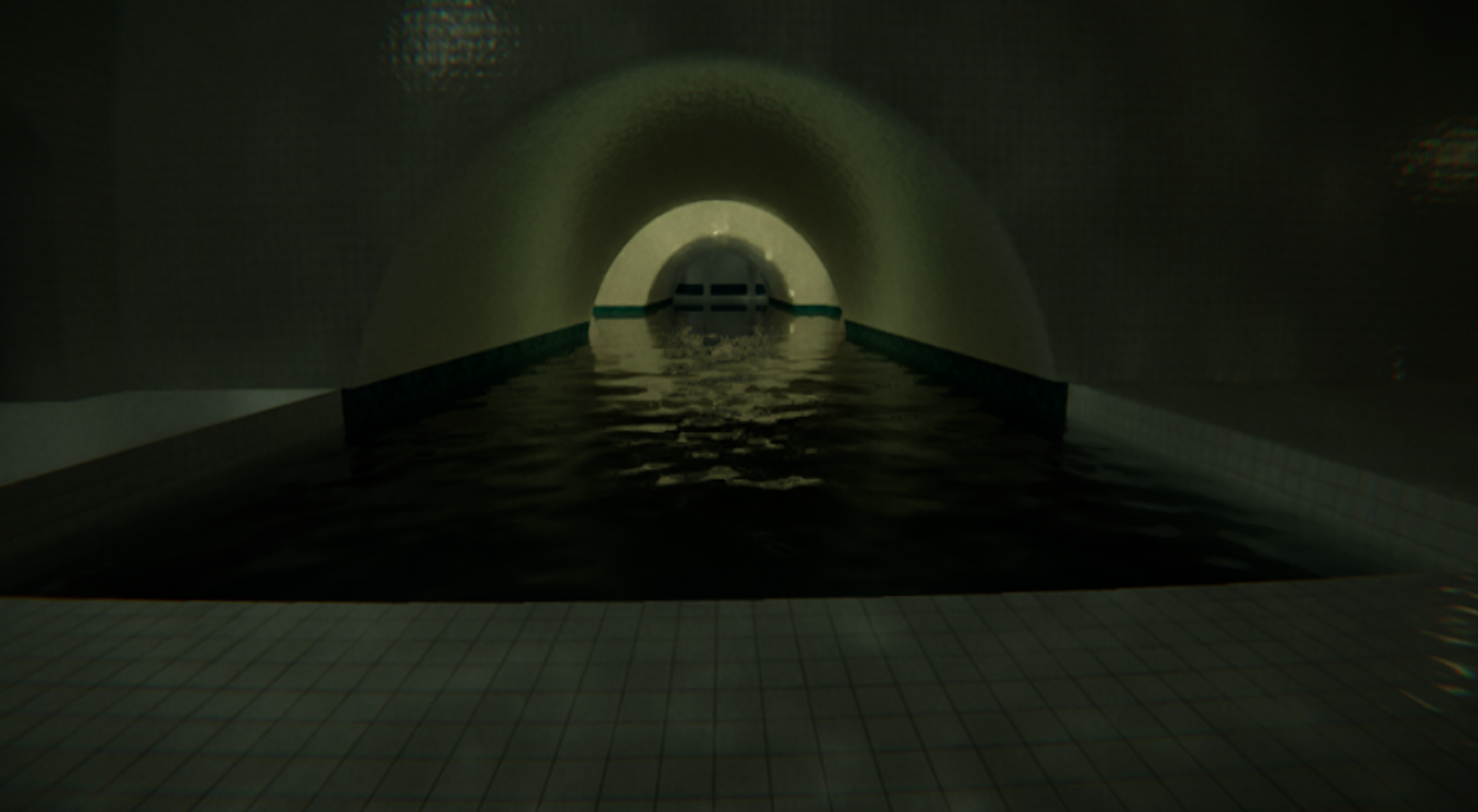
    ICONIC. This game is so innocent looking at first glance that you may be mysteriously sucked into giving it a random chance to ‘see what all the fuss is about’, only to be faced with such deep primordial fears that you feel like pushing the lid down on your laptop and seeking professional help. On the surface pools is a beautifully design minimalist, liminal masterpiece in which you get thrown from a ladder onto an odd and super clean environment in which you just walk around splashing in pools. You don’t know how you got there; you don’t know who put you there, you don’t even know how you look, nor can you look out the windows that populate the space because they are brimming with powerful white light. Are you on a spaceship? Are you an alien? Are you a person who bought a ticket to an underwater adventure-land only to be met with this string of water-filled rooms? How do you get out? And what even is out in this context? The game is advertised as “rooms filled with pools, a game which has no monsters but can invoke fears of getting lost, the dark, and tight spaces”. And wow! those fears can become so palpable: from being met with a deep howl or whispers in the dark, to walking in an unlit room knee-deep in water and randomly being touched by large inflatable ducks, to finally finding a light under the water only to see a ladder going down into the pool and a pair of human hands reaching out from below towards you.

    The worst was probably the ending to chapter one in which you have to walk on a thin sliver only to reach a small diving platform but the trick is that there is not water around you just pitch-black darkness, literally encouraging you to jump from a great height straight into the unknown/the pitch-black darkness around you. I had to gather all the courage I had to jump and once I landed into the next chapter, I went out for a run just to emotionally self-regulate. Without a doubt this game is free therapy, if you are brave enough to slide on its glistening, wet tiles and you enjoy random, self-induced thrills. By the way, at the time of writing this, I am still trying to find my way out of level 2 and I am reliant upon game maps made by more experienced players.

    6) Grim Fandango Remastered (2015), Double Fine Production

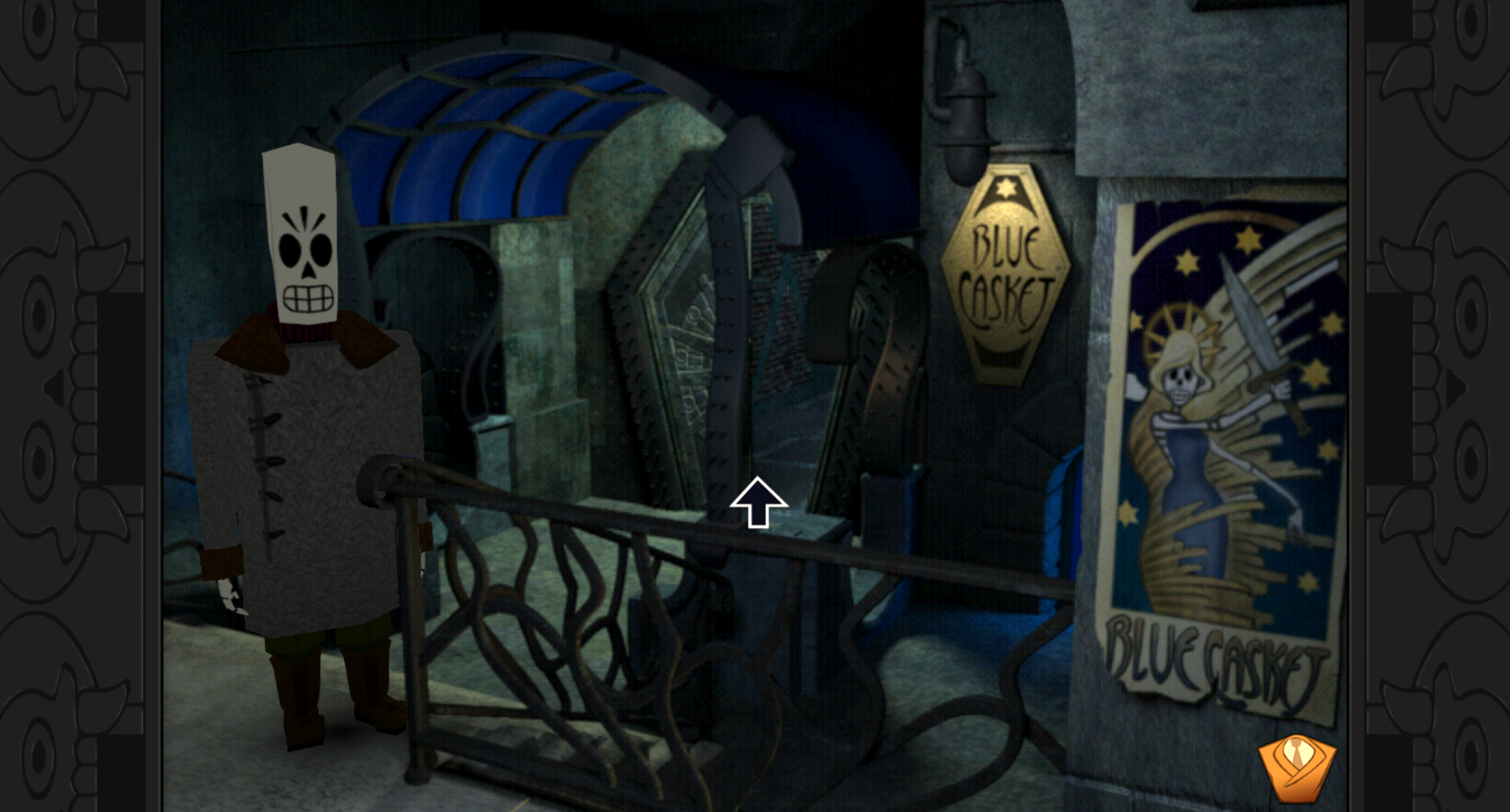
    A classic game, not only in the genre it is part of (noir adventure) but overall, a classic as part of the string of awesome Lucas Arts Entertainment Games that were released during the 90s and that populated many of our after-school hours. The first time I played it, I think I was about 14 -15ish and I was so captivated by the story and the graphics (I always had a thing for art deco and El Dia de Los Muertos, and this game combined them both!!) only to be disappointed by the game mechanics. I got perpetually stuck in the first part of the game, not really understanding how to throw the rope made of ties to the other side of the building in order to make it stick (see, this was in the dark ages, a time before the existence of play-throughs). The game was also clunky to play on an old-fashioned computer keyboard and the rising frustration that I felt eventually made me abandon the game since I had other hobbies to focus on (like painting my bedroom door while listening to Garbage or Creed). Cut to 26 years later and here I was on a cold October day when I suddenly received a notification from Steam that Grim Fandango (the remastered version) can now be purchased for 3 dollars. I clicked all the way until I heard Many Calavera’s voice enticing me to pick up the note in his info-tube and never looked back.

    And this is how I managed to fulfill a teenage dream, to finally play this game and find out exactly what actually made the fandango so grim. Oh boy, and the story is actually EPIC. It spans across years and continents, somehow driven by our main character’s (travel agent to the dead, Manuel ‘Manny’ Calavera) capacity to transform every opportunity thrown his way into a lucrative business operation: he owns a restaurant, he sails and leads a ship and all throughout it, he never stops searching for his sweetheart, a woman with a heart of gold called Mercedes ‘Meche’ Colomar. On his adventures, Manny is helped and somewhat also perturbed by his close friend, the gentle giant Glotis.

    It is a deeply funny and life-inspiring game, despite the grim nature of the proceedings with many adorable little details that give you food for thought: such as seeing skeletons transform into fertile soil for flowers once they are killed. Grim manages to tell a sweeping story about difficult topics such as death, divorce, betrayal, exile and exploitation without ever falling into melodrama and always, always making fun of itself and this is why it’s such an amazing game that reaches your heart at the same time. It’s like watching a movie, a beautifully designed, cleverly scripted, demented movie that borrows elements from Casablanca, Key Largo and the Maltese Falcon (all those Humphrey Bogart classics, which true fans will appreciate). It took me 26 years to see Meche and Manny together in that amazing final cut scene, but I think in this case the wait was certainly worth it!

    I wish I could extend this list to 10 games but that would be untrue as I only played and loved the 6 ones above. Honourable mention goes to: Potion Craft – The Alchemist Simulator, a game that is pretty decent and fun but a bit repetitive; Melatonin – a game which sounds and looks better than it actually is to play, as passing to new levels is strangely difficult and the story is uninspiring; and The Unavowed, a dark game I enjoyed playing but simply hated the ending, so it didn’t make this list. All of the above-mentioned games will be included in gameplays on my second YouTube channel The Eden Nearby, so it’s worth subscribing in order to be notified when I upload each clip. Comment down below and let me know what games you played this year, if at all, and what games have made it into your top 10.

    With universal love,

    Lexi