Month: October 2020

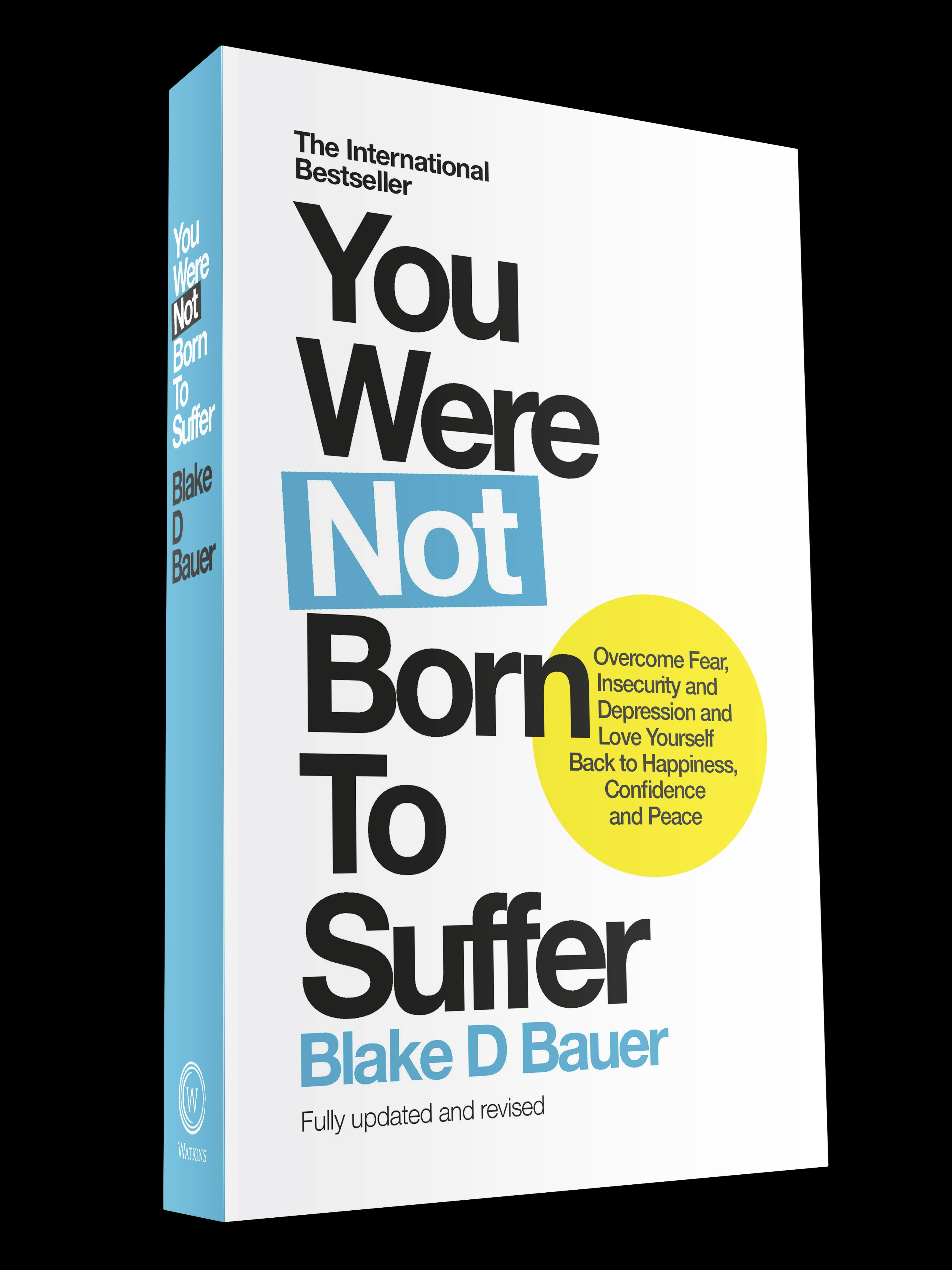
  • Reading ‘You were not born to suffer’ by Blake D. Bauer and Reflecting on Self-love and Suffering

    This article is a spiritual book review. I wish I could say I loved this book. Instead as I was cascading down its easy-to-read content, I was thinking most of the time that ‘this is a pretty superficial text’. I must admit the best thing about the book were the list of affirmations that would accompany some chapters and the honesty displayed by the author. But I cringed when some ideas were supported by sentences such as ‘through my work with thousands of people‘, repeated ad-nauseam to gain the reader’s trust. Without disrespecting the author, I would have liked to see more practical advice on the socio-emotional components of self-love or some practical strategies that go beyond mere descriptions. It’s a pity, because the author clearly lived through some tough life experiences but to me these were not sufficiently illustrated for the benefit of a reader who truly is searching for some answers to the questions: ‘How can I accept myself more? What does self-love truly mean? How can I suffer less?‘ Nonetheless, I would say that I agree with the overall message of the book and there were some good portions where I found myself nodding to some of the ideas presented, like the quote below:

    (…) we undoubtedly struggle; sometimes we struggle deeply and it’s painful. But with the struggle and the pain always come the beauty, peace and magic of living our most liberated and joyful life. The struggle and pain actually become worth it because we finally respect ourselves for the courage and strength we found to live an authentic life. We get to experience the powerful loving truth and natural intelligence that are inherent to our deepest nature. In essence, we get to be free, and one could say that our soul gets to fly.

    p.32

    The benefit of reading this book, is that it made me reflect on some of the things I’ve experientially learned about self-love. It’s sad that we don’t get taught more explicitly by our parents, in schools and in our local community what it means to truly love yourself and thereby love others; most of us just make-it-up-as-we-go-along, and this is why self-love is a deeply personal experience most of the time. In addition and in what continues to be a patriarchal world, we see more discussions in the media about power, politics, money, war and violence than about proper self-care, self-soothing strategies, anxiety-diminishing practices, anger-management techniques, how to repair and resolve relationships, healing and recuperation from trauma or PTSD. Emotions make people more uncomfortable than a bloodshed or a drone-attack.

    Emotions are considered ‘depressing’ and are usually relegated to the realm of health and wellbeing which is often ridiculed as being ‘too soft’ or ‘feminine’. This narrative simply has to change. As a person who works in this ‘soft field’, I’m happy to say the work one can do here is the most meaningful form of work available, and I’m also happy to see how this field – which encompasses everything from humanistic sciences, psychology and psychotherapy, to astrology, tarot reading and channeling – persists. It does so because as people we need emotional knowledge to help us feel whole and healthy human beings again. I’d like to share below some of my reflections on the thorny subjects of self-love and suffering in life:

    1. Self-love is about setting boundaries

    What does it mean to set boundaries in personal relationships? It’s as simple as saying ‘No’ but it is more difficult to put into practice than you’d think. Speaking from my own standpoint as a woman, I learned that as women we are taught from a young age how to people-please and be gentile and sweet, rather than allowing ourselves to be who we are. So saying ‘Yes’ even when we’d like to say ‘No’ is avoided at all costs because we see that people react strangely to us when we do the opposite; being shunned from our social groups or triggered into the fear of rejection or abandonment. Moreover, the fear of violence gets us often to compromise our self-worth and self-respect by accepting a lot of bullshit in life. This issue is even more complex if you grew up in a traditional family and culture, where women are considered to be ‘naturally subservient’ to men. So setting boundaries, especially as a woman and saying ‘No’ requires courage. It can be difficult as well for men to say ‘no’, especially if they want to be part of a group. For men, being seen as ‘manly’ is important, so often sensitive men end up adopting toxic behaviors to be considered manly enough and to belong to a group. It is important to state that ‘not feeling’ is self-hatred; it is a dissociation from the Self and not a staggering act of courage and prowess which deserves medals and awards. Saying ‘No’, ‘walking away’ is hard, and deciding to remain sensitive and vulnerable are acts of courage and empowerment.

    Often setting boundaries hurts because we must say ‘No’ to the people we love. This causes us great pain and suffering. So while I agree with Bauer that indeed you don’t need to suffer, sometimes the act of loving yourself enough to finally say ‘No’ to a narcissistic parent or an abusive partner, will inevitably bring you into this space of suffering. We usually leave such awful situations to preserve what remains from our emotional health; so these moments are reasons to give yourself a hug and not moments to drown in self-loathing and guilt (although that can initially happen). Suffering in this case reminds you that you are still alive and kicking and have feelings, and you left the abuse because you believe in better, in life and in love.

    In time the suffering will subside and will leave space in the soul for deep wisdom and inner strength, but the suffering still occurs since a relationship we were emotionally plugged into, suddenly crashed and burned. My point is that setting boundaries takes guts and suffering is often inevitable in this process, so please don’t feel ashamed for the fact that you are hurting. Once we accept that suffering is part of the human condition and part of our learning and self-love homework here on Earth, it makes for a less painful ride. Accept this fact, but certainly resist dwelling in it. Which brings me to my next point…

    2. Self-love is about daily self-care

    Another reason why self-love is difficult to sustain is that it is work, because it requires our daily energy and focus. From my experience, ways in which you can love and respect yourself daily are doing those things that are good for you even if they might be ‘fun’ or ‘amazing’; these action are: drinking water, eating nutritious and fresh food, getting enough sleep (or being kind with yourself when you can’t get enough rest – like after a study-binge, important deadline or when raising a baby), establishing boundaries between work and rest, doing something that makes you happy (whether this is doing work that makes you happy, taking care of your family or a pet you love, or noticing the beauty in the small everyday details that make life well… livable). The recipe for a healthy and loving daily self-care practice is individual and unique to your situation, so it can vary. Mine includes petting my cat, reading, praying and using tarot. I encourage you to create your own but keep in mind that there are times in life, especially periods of change and transition when this routine will be interrupted or turned on its head by circumstances.

    There will be moments when the loss of a loved person, a job, a place of living, a project you loved etc. will cause you pain and you will need to heal and recuperate – self-love in that context is adapting to a new routine, and shifting gears to include releasing emotions, cleansing, more rest and keeping the company of only trusted and close friends as part of your day, for example. My point is that periods of suffering and pain should be factored into an eventful and meaningful life; it is not a sign a failure that you are suffering or have lost something or someone; it is a sign that you are an organism that feels and that your soul is experiencing many different things on its path to understanding what it means to be alive and how to process karma.

    3. Self-love is about paying attention to your intuition

    Your intuition is your super-power. It is a priceless tool that helps you navigate a world of unspoken signs. It can help you make important decisions, tells you whether you should act or rest, helps you wait for it or launch it, gets you to understand people’s hidden intentions and helps you pay attention to small details which can ultimately save your life. Your intuition (when noticed and listened to) can make your life easier, safer and a bit magical. Once you start paying attention to signs and synchronicities and you start noticing your inner guiding voice, it can become a little bit addictive 🙂 Think of a time when you felt like you should grab your umbrella even if the weather was fine and the forecast predicted no showers that day. And suddenly in the middle of the day an unexpected storm starts drenching everyone else around you and you randomly brought that umbrella along – that was a sign you paid attention to your intuition and acted on it. Or say you are at a party and an attractive and polite person keeps complimenting you but they feel insistent. All of a sudden as if confirming your gut feeling, this person gives you a look that scares you. Deciding to follow your intuition and going home with someone else after the party, could save you from imminent danger.

    I think that your intuition should complement your logical mind. Other times, it takes a front seat, when things don’t add up logically-speaking: like hearing a person say some things and feeling in your gut that they mean something else, for example. Our intuition is very useful during big transitions in life: such as when you have a child or when you lose a person. In such periods of transition, which also happen to be highly emotional, using your inner capacity to feel and allow a feeling to guide you is as precious as figuring out practical coping strategies. And if you don’t trust my advice regarding the benefits of having an intuitive mind-set, just ask a fellow Water sign (Pisces/Scorpio/Cancer) how they live their lives, because intuition is their default modus operandi. Also if you want to learn more, I made a video on my You Tube channel about this topic:

    The Spiritual Social – How to trust your intuition

    In a previous post on this blog, I acknowledged that I did not understand what self-love was. Now some months later, I can see that acknowledging my ignorance in this area of life was enough to start me on a beautiful journey of understanding on a deeper level what self-love truly means. I found out that I knew what self-love was on some level, but I was too much in my head to realize this. It took 2020 and the special social conditions of the current pandemic, to finally have the breathing space to integrate all the lessons life has taught me this far and allow myself to feel this self-love.

    In a similar vein, I hope this post helped and inspired you in some way, and if you made it this far into the article I’d like to thank you for reading it. Please feel free to share your experiences of self-love in the comments below.

    With universal love,

    Lexi ❤

    Want to support my writing? Feel free to buy me a coffee here  https://ko-fi.com/thespiritualsocial to keep these posts flowing 
  • Reading ‘The Final Gift of the Beloved’ by Barron Steffen & Reflecting on the Loss of Love

    Photo by Ava Sol on Unsplash

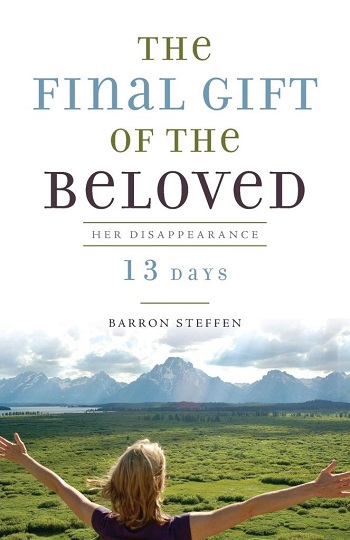
    It’s easy to say I couldn’t put this book down. It’s harder however to deal with its topic: the sudden loss of a loved one. This is why it took me some time to write about my experience of reading it. The book begins with the dramatic account of how the author, Barron Steffen, found out about the unexpected death of his wife. As readers, in the following pages and through a series of insightful flashbacks, we are slowly uncovering how the author began his yogic path and how he met and fell in love with this wife, Seana. It is a profound account of how yoga and meditation can create a safe holding space within yourself during times of extreme sadness. I enjoyed the way in which the book was written, which created almost a cinematographic experience while also imparting knowledge regarding Indian culture, spirituality and mysticism. At certain points in the book the author provides us with some pure nuggets of wisdom:

    Book cover

    Neurons were firing in places inside my brain that had never wired together before, and like honey dripping through a net, reconnecting to the other known pathways was a slow process. Moment by moment, my experience was subdividing itself onto sequences of solitary stop-action frames. Each snapshot was an entire world unto itself, never again to be repeated or revisited (…) It was trauma (…) Seana would have said that my reaction was the result of never having asked the unaskable question. In strategic questioning, yet another of her areas of teaching mastery, the unaskable is that question which, if unexamined, can threaten the foundation of the design of life in that realm. The fear of looking sets and avoidance pattern in place that jeopardizes the authenticity and integrity of the path.

    p. 12-13

    The Yogic text, Patanjali’s Yoga Sutras, states that the purpose of meditation is stilling the thought-waves of the mind. Over the years, through daily meditation I had begun to experience myself as free for the first time since I was very young. Cultivating a daily practice, I learned what it meant to watch my thoughts. By slowing the mind down and witnessing my mental patterns, that pause both created and expanded gaps within the flow of my mental activity. In meditation, I would become filled by an innate, ever-present awareness (…)

    p. 39-40

    And we know how this wisdom was earned – by living through the pain of losing your soulmate and managing to summon the strength to write about this experience. It’s a comforting book even if at times too idealistic. Barron is vulnerable in his account, describing his experiences of shock and grieving, his shortcomings in a previous relationship which gifted him a child and how eventually he began healing and accepting the loss of his wife in a clear and self-aware language.

    What struck me the most was how he described the imperfect process of shifting his mindset and understanding that separation from love is only an illusion, a Maya. I think this beautiful and heart-opened approach to storytelling is worth engaging with:

    What kind of ending is this for that beautiful soul? It seems utterly incongruous with the way she lived every minute of her life. But following immediately on its heels comes a pronounced feeling of boundless love. It rushes through me with such otherworldly tenderness that all at once I know this is right. I can feel it everywhere in my body, my heart and vibrating in the room too. And with this precipitous understanding comes an acceptance and a clarity that I am supposed to be here. It’s sacred. My breath instinctively deepens and a wave of relaxation and anticipation electrifies me.

    p. 153-154

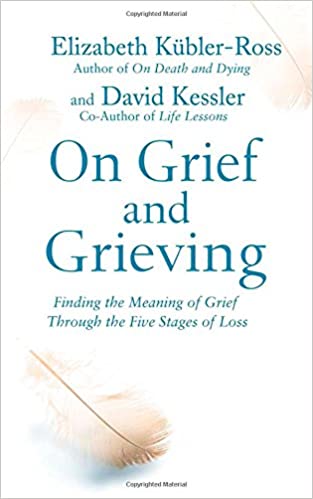
    In a nutshell, I recommend this book to anyone dealing with grief and loss, potentially to be read in tandem with the classic account of Elizabeth Kubler Ross’ detailed account of how we can live with loss and allow the process of grief to change us for the better:

    Being Death-positive

    In tandem with reading this book, I also started watching the videos of Caitlin Doughty on Youtube. Caitlin is a mortician and has a very unique approach to how she speaks about death. What makes her stand out from the crowd is that she has some outrageously funny shorts clips on death. She’s delivering a death positive message in a world that continues to think of death and dead bodies as something taboo. Without discarding the sacred element of how people transition from the 3D to the 5D, she manages to entertain while also informing us. She describes her channel as a place of ‘fear and fun, of existential despair and whimsy’.

    A short history of human skulls as drinking cups – Ask a Mortician, You Tube

    I couldn’t help but notice the synchronicity of when she appeared in my consciousness: Caitlin’s work was recommended on my feed while I was reading Steffen’s book about the loss of love and some weeks before the Halloween holiday – a time when overall we tend to consider our relationships to the dead and what lies beyond the veil. So a lot of resources were manifested in my life to get me reflect on death and dying in a completely different way – and this in 2020, the year of social mayhem and the looming fear of death.

    Inevitably, and because my mind works in many different associations (like constellations), I was also reminded of two films I enjoy re-watching: Donnie Darko & The Fountain. In the first one, Donnie a clever adolescent with sleep issues is preparing for a very personal ‘end of the world’ tale, some days right before Halloween. Donnie’s dark story is significant because it shows how even if we try to stop Death and play God, ultimately what is meant to be will happen, whether we like it or not. Bending the laws of physics won’t help much.

    Jake Gyllenhaal and Jena Malone in Donnie Darko (2001) – Newmarket Releasing/Everett Collection

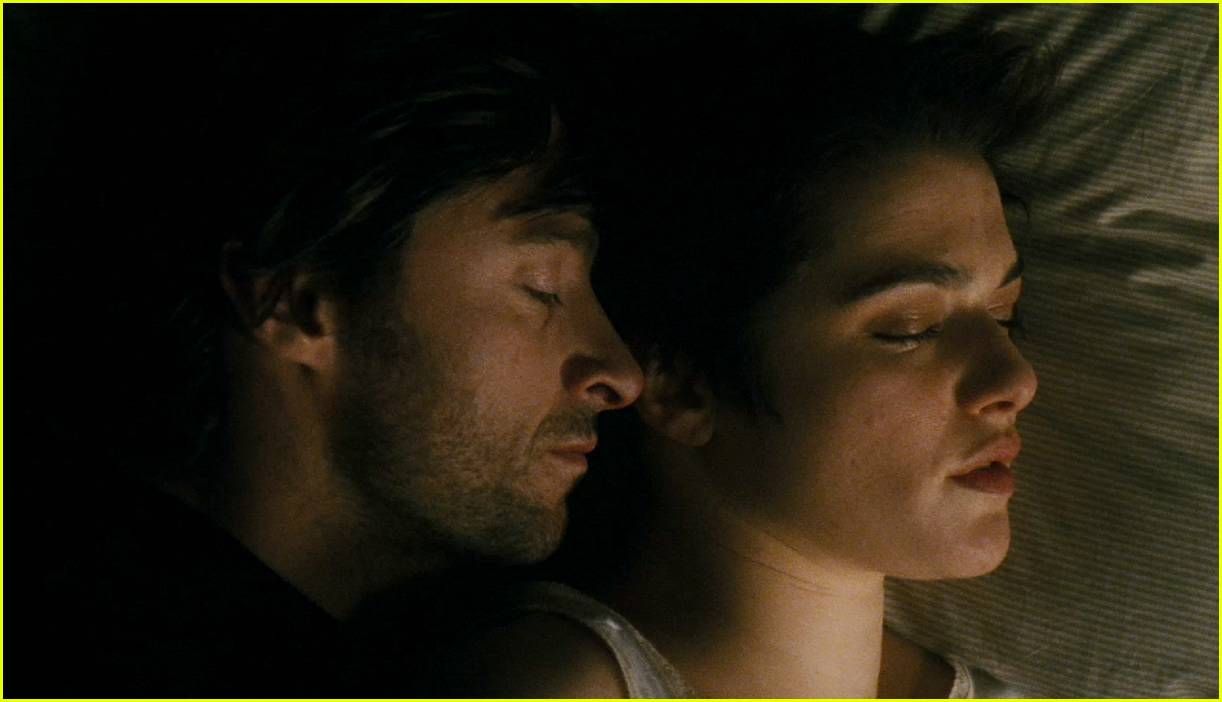
    The same theme of playing God and wanting to stall time to recover our lost loved one, echoes in the gorgeously filmed ‘The Fountain’. In this movie a scientist in mourning tries to use states of higher consciousness and meditation to reconnect with his deceased wife on different realms and across timelines. But acceptance that death is inevitable and precisely this fact is what makes life so precious is central to the main character’s healing process and spiritual development; part of our spiritual awakening process involves learning how to let go and to accept painful endings.

    Hugh Jackman and Rachel Weisz in Darren Aronofsky’s The Fountain (2006)

    Death and how we cope with it brings up issues of control and letting go, or perfect acceptance and surrender (samadhi) versus the willpower of our human egos to delay death. This is why I’ve enjoyed Steffen’s book, because it is well-written and has helped me reflect more widely on the dissolution of the Ego in the process of coming to the terms with solitude, and the passing over of the person who was meant to help him face the fear of Death. Why else would we socialize and couple? Because it makes us feel safe and protected from death and loneliness. Facing such fears and being able to accept them, get us to prepare for our unavoidable demise; and to my mind, this is the gift of the general process of slowing down that we all collectively are experiencing in 2020. Knowing that life is limited and that there is ‘an expiration date’ – to put it crudely – is making the act of living in the present all the move vivid and intense.

    Different Forms of Love and Relating

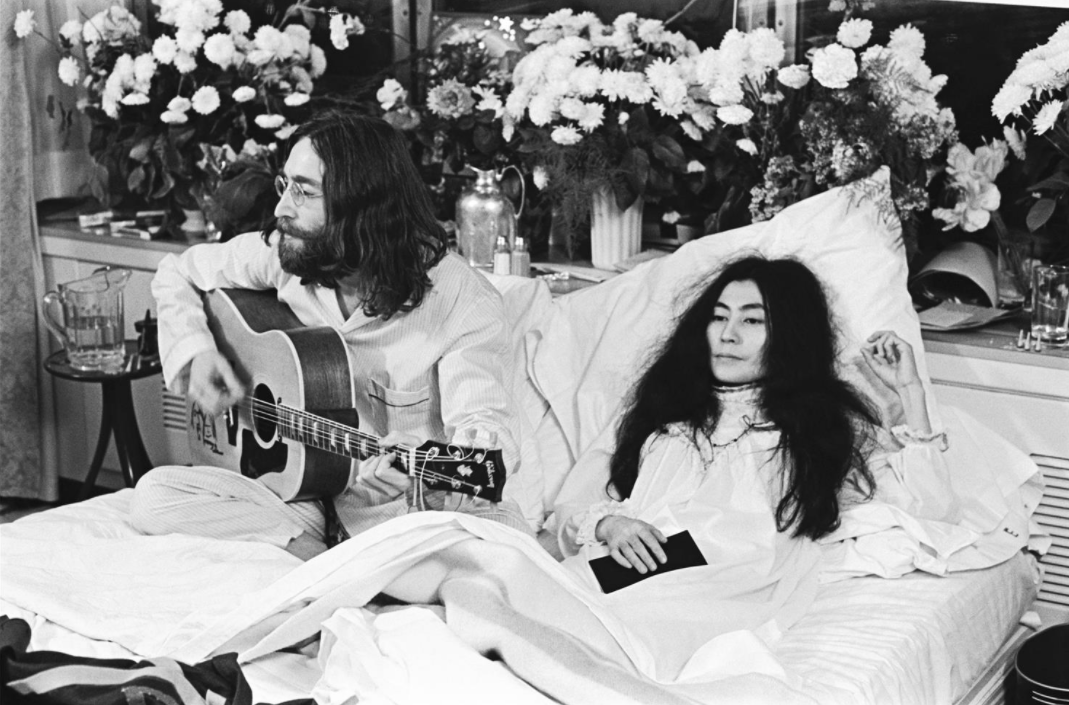
    John Lennon and Yoko Ono Bed-In For Peace – Montreal, Canada 1969 by Stephen Sammons

    Baron Steffen considered his wife, his soulmate, which made me reflect on the different types of relationships we might experience in like, and also the ones I am exploring in my spiritual and tarot-based practice as well. So here is a breakdown of the many forms love can take in our everyday interactions as my crew shared with me that they have been experiencing them.

    Karmic Connections are usually connections we established with people from a previous lifetime. These relationships carry with them, energetically speaking, a sense of debt, pain and responsibility. Karmic connections are the most common connections of all. They can be romantic (in which case your lover is a soulmate) but more often they are parental and job-related, due to the energy of being locked in a form of relating that involves paying off a debt. The debt relates to an energetic imbalance: say you offered more and a person took a lot from you; or your were in a pattern of domination and submission with that karmic partner. Well in this lifetime, the scales are usually reversed. If you were the dominant, now you are the submissive, and viceversa. I’m not talking about sex here, but about power dynamics which exist across all relationships and especially the ones we share with our parents who have the most power over us. With karmic connections, there is usually the uncomfortable feeling that at one point the burden has to be dropped, either through separations or repayments (a parent dies, disappears, you don’t speak to them anymore, or you become a parent yourself and make your folks grandparents etc.). Most frequently, karmic partners are our teachers, our friends, our doctors, priests, lawyers, bosses and co-workers. How do you know if you met a karmic partner? By the queasy feeling you get in your gut that somehow this person’s energy will offset you and teach you something (usually you either dislike them or admire them immediately). There is a pattern of ‘I can’t quit you but I feel I must’. In time, these relationships lose the energy they need to carry on.

    Soulmate Love is a form of love that you can share with a karmic partner across a couple of lifetimes; there is the high likelihood that you were engaged in romantic connections across all your previous lifetimes with this special person. This is the stuff you see written about in songs, in literature and depicted in great works of art. Soulmate love happens between two people who instantly recognize one another as ‘familiar’, even if they never exchanged a word in the present reality. Usually one look is all it takes to send each other a gesture of acknowledgement. There is a sense of coming home to someone, of feeling relief and joy at finally having met them. You will share many things in common with a soulmate and while your love will be romantic, it is not really devastatingly passionate (see section below for that). Soulmate love is about trust and recognition, stability and the natural order of things. A soulmate is a partner you settle down with and raise children with (once karmic obstacles are removed). Even if the relationships might require some work, you won’t feel depleted of energy like in a karmic connection, but with a soulmate you will experience a sense that your heart is expanding into tranquility and peace; you see yourself growing old with this person, and you feel that everything is going to be alright and that you make a great team in this world, together.

    Twin-flames do not happen to all of us in a lifetime. They are unique and rare and most often they come about in people whose lives have been touched by trauma and transformation, and people whose lives have a specific goal to fulfill. Your twin is your mirrored image, in either the body of a man and woman. It is called ‘flame’ because the energy is so intense that when you come together physically there is a sense that you burn from your whole being with emotions. You are driven mad if you are not with them all the time, because you feel as if you are removed from yourself. These connections are tempestuous and passionate love affairs that can destabilize people’s trajectories in life; they are usually brief and memorable. There are obstacles, limits and many impediments that come about to separate you, and paradoxically it is this separation that proves to be the goal of your connection: to create something new for the whole world to benefit from. You are not meant to live with your twin flame but to use the experience of having met him/her and tell the tale of your otherworldly love. Many famous actors, politicians, musicians, artists and writers were involved in twin flame relationships, and it had to be so, because on a spiritual level these people were meant to transmute energy around them for the greater benefit of the collective consciousness. They did so by creating something unique and culturally significant for their time and place; in some cases, even their failures proved to be significant. Examples of famous twin-flame couples are Max Ernst and Leonora Carrington, Marc Antony and Cleopatra, Richard Burton and Elizabeth Taylor, Yoko Ono and John Lennon.

    Dharmic Relationships are blessings that help you progress towards the main purpose of our current existence and beyond; but we might recoil from these blessings, much like we tend to recoil from our own light and divinity 🙂 Dharma is our reward for having cleared karma, and dharmic people are connected to Rahu or the North Node in Western Astrology (that point in our birth-chart that shows what we incarnated here to do and in what area of life we must learn a lot, in order to progress and evolve). The more we pay back our past-life debts and become aware of what these are and that indeed that we are working towards absolving them, the more we move towards our dharma. A dharmic person has qualities we want to own ourselves but are afraid to embody; so we might admire them but also feel uneasy around such a person because they won’t feel familiar but rather odd and foreign. Nonetheless, our dharmics will bring us blessings and teach us all we need to know to step into our destiny. Dharmic relationships are fresh, new soul connections with people we have not met in a past life but they can nonetheless become our karmic, if we reincarnate. They have a fascinating appeal and can sometimes turn obsessive. When our soul first lived on this plane of existence, all of our human connections were dharmic and only through incarnations was karma created to be worked up in a subsequent life-time. Clearing away karma and living within dharmic connections as much as we can, helps us ultimately to fulfil our life purpose with the promise that one day we might reach Nirvana (or paradise, the freedom from incarnating again).

    For those interested I made a video on my YouTube channel ‘The Spiritual Social’ which describes these relationships more in-depth:

    With universal love,

    Lexi ❤